Crusher Basics: Stone Crusher Production Lines, Portable Crushers, Grinding and Drying Explained
A crusher is normally one stage of a production line, not a standalone purchase. A stone crusher production line links feeding, crushing, screening and conveying into a single material flow, and in many plants also sand making, washing, grinding or drying. Buyers who compare individual machines often find out later that the real decision was about the line configuration, not the crusher model.
This guide walks through the four configurations that first-time buyers encounter most often: the standard Stone Crusher Production Line, the combined Stone Crusher and Grinding Production Line, portable setups built around the Tyre Type Mobile Crusher or Crawler Mobile Crusher, and the Crusher Stone Drying Production Line. It is written for procurement and project teams at the decision stage, meaning readers who already know they must process rock or mineral material and now have to choose a configuration that matches their feed, their site and their output target.
Quick answer
- Stone crusher production line: reduces run-of-mine rock to sized aggregate or manufactured sand through feeding, crushing, screening and conveying stages.
- Stone crusher and grinding production line: adds a milling stage such as the Ball Mill or Three Ring Mill when the finished product must be fine powder rather than aggregate.
- Portable stone crushers: Tyre Type and Crawler Mobile Crushers move the crushing process to the material instead of hauling material to a fixed plant.
- Crusher stone drying production line: uses a Rotary Dryer to bring feed moisture into the range the crushing and grinding stages can handle, so material does not clog, bridge or cake.
Why New Buyers Compare Crushers When They Should Compare Production Lines
Most specification mistakes in stone processing are not technical faults at the machine level. They are configuration mistakes at the line level, and they usually appear in one of three forms.
1. Sizing a crusher before sizing the flow. A buyer selects a jaw crusher by inlet size, then discovers that the screening and conveying stages cannot keep pace with it, or that the secondary stage produces a particle shape the local market will not accept. A production line performs only as well as its slowest stage, so the constraint often sits somewhere other than the crusher.
2. Ignoring how the feed actually behaves. Wet, clay-bearing or contaminated material behaves nothing like dry, clean rock. Operating guidance for crushing and grinding equipment typically sets a suitable feed moisture level of 8% or less, because above that range material bridges in chutes, blinds screens and cakes in mills. Inlets are therefore fitted with iron separators that capture magnetic tramp metal and grate screens that intercept large, hard objects, with manual removal of non-magnetic impurities in front of them. Without these measures, blockages and premature wear become routine rather than exceptional.
3. Choosing fixed equipment for a moving project. A quarry with a long extraction plan and a road contract with several short-term work fronts have completely different logistics. One justifies a fixed plant with permanent foundations; the other benefits from portable stone crushers that relocate as the work front advances.
The practical consequence is straightforward: define the material flow first, meaning feed, stages, output and site, and the equipment list follows from it. The four configurations below cover the majority of first-time requirements.
Industry Background: What the Global Crusher Market Suggests About Line Choices
Third-party market research gives useful scale and direction for anyone planning a stone processing project.
- The global crusher market was estimated at USD 6,751.19 million in 2024 and is projected to reach USD 12,710.1 million by 2035 (Market Research Future).
- Estimates differ by scope. Zion Market Research valued the stone crushing equipment market at approximately USD 5.06 billion in 2024, while the Market Research Future figure covers a broader product set. Published totals are only comparable when the product scope behind them matches.
- Asia Pacific is the largest and fastest-growing crusher region, with China's market estimated at USD 827.02 million in 2024 (Market Research Future).
- The global mobile crusher and screener market was valued at USD 4.59 billion in 2024, with a projected CAGR of 7.32% through 2035 (Market Research Future), which is consistent with the growing role of portable configurations in aggregate and construction recycling work.
- Jaw crushers are estimated to account for approximately 46% of the crushing equipment product segment by 2026 (Fact.MR), and the single toggle design alone held 62.4% of the jaw crusher market in 2025 (Dataintelo). That concentration helps explain why the jaw stage is treated as the default first stage in most fixed lines.
For buyers, the practical message is that line configurations are not niche choices. Fixed crushing and screening, combined crushing and grinding, mobile crushing and drying-assisted processing are all mainstream categories with established supply.
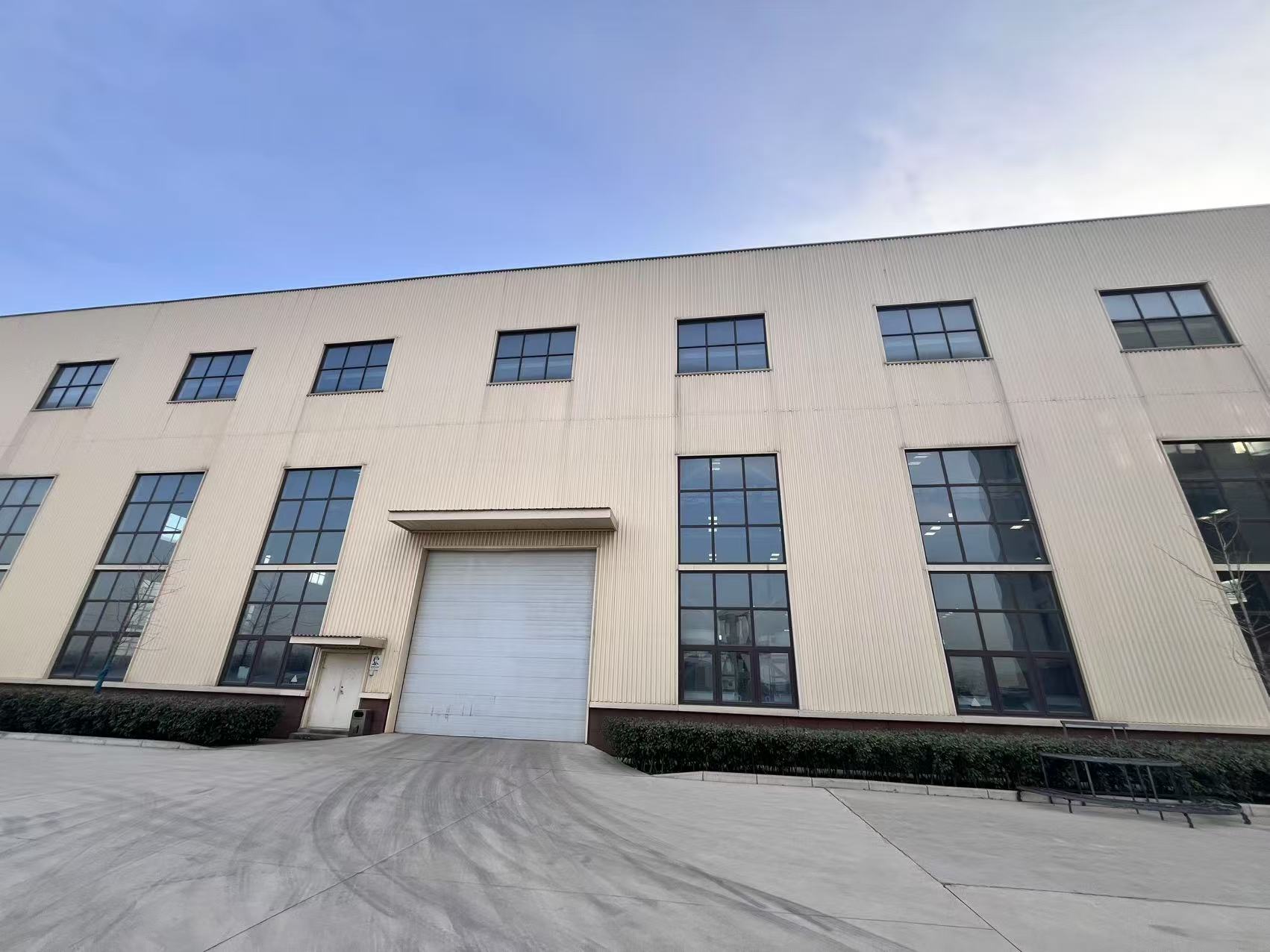
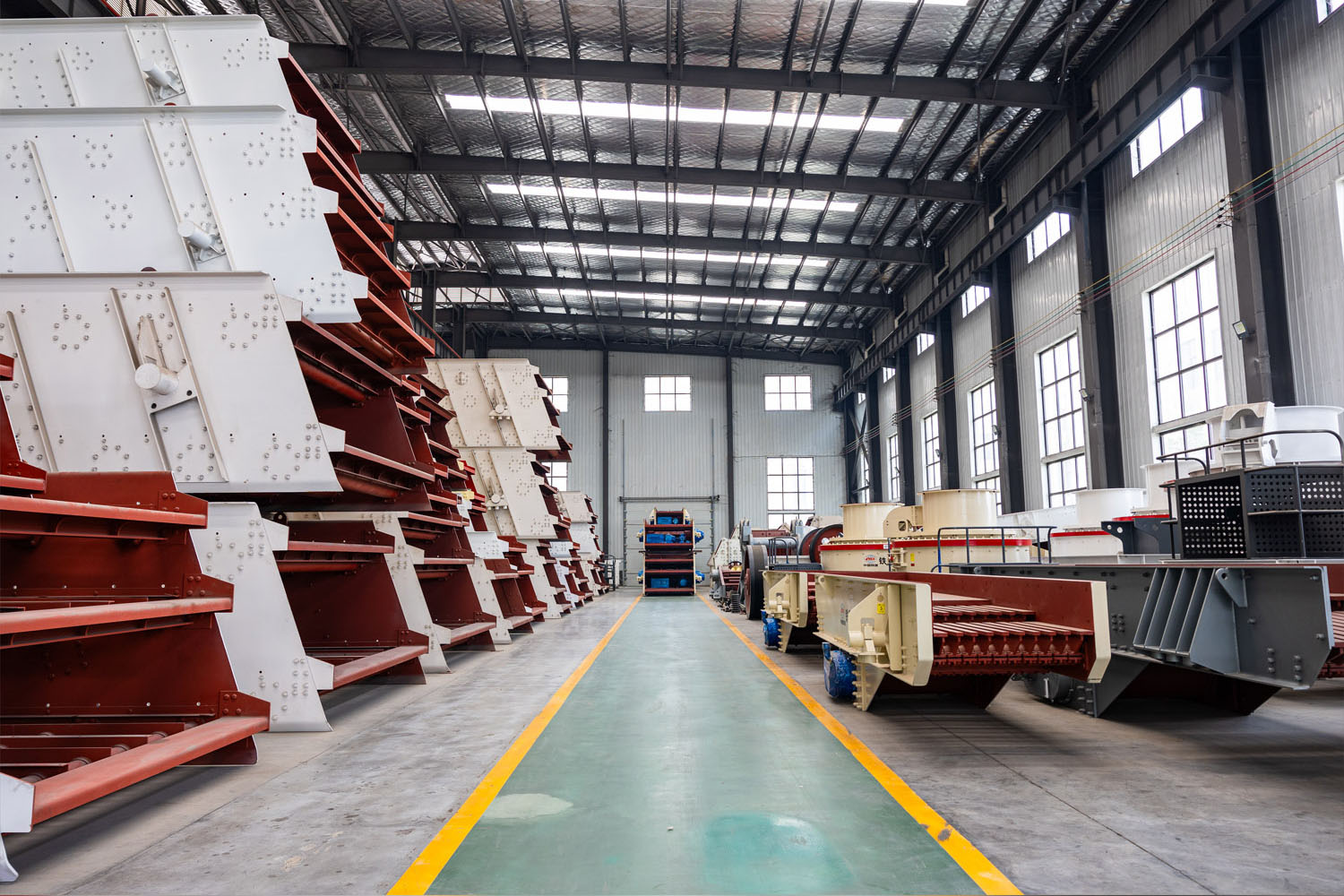
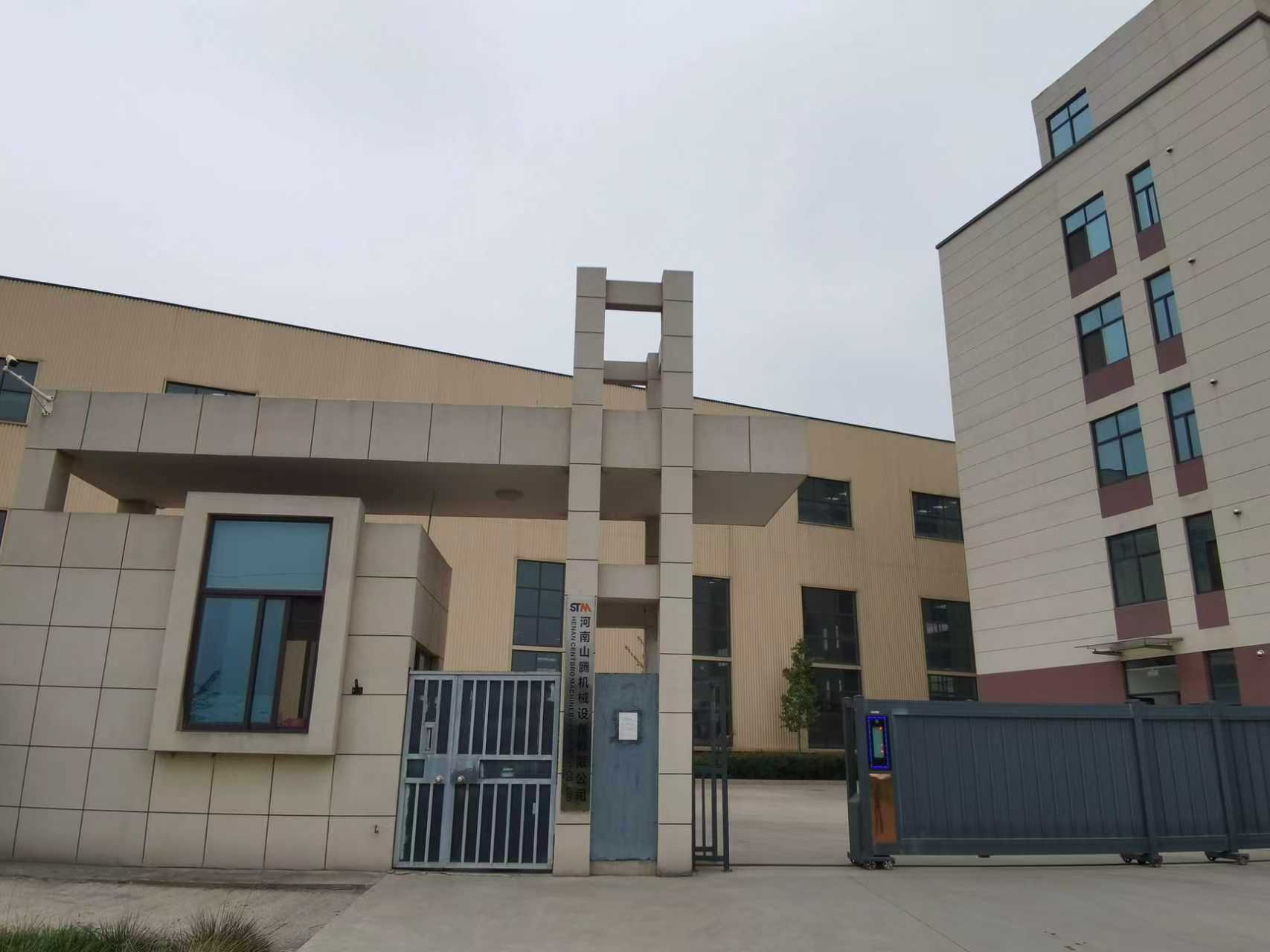
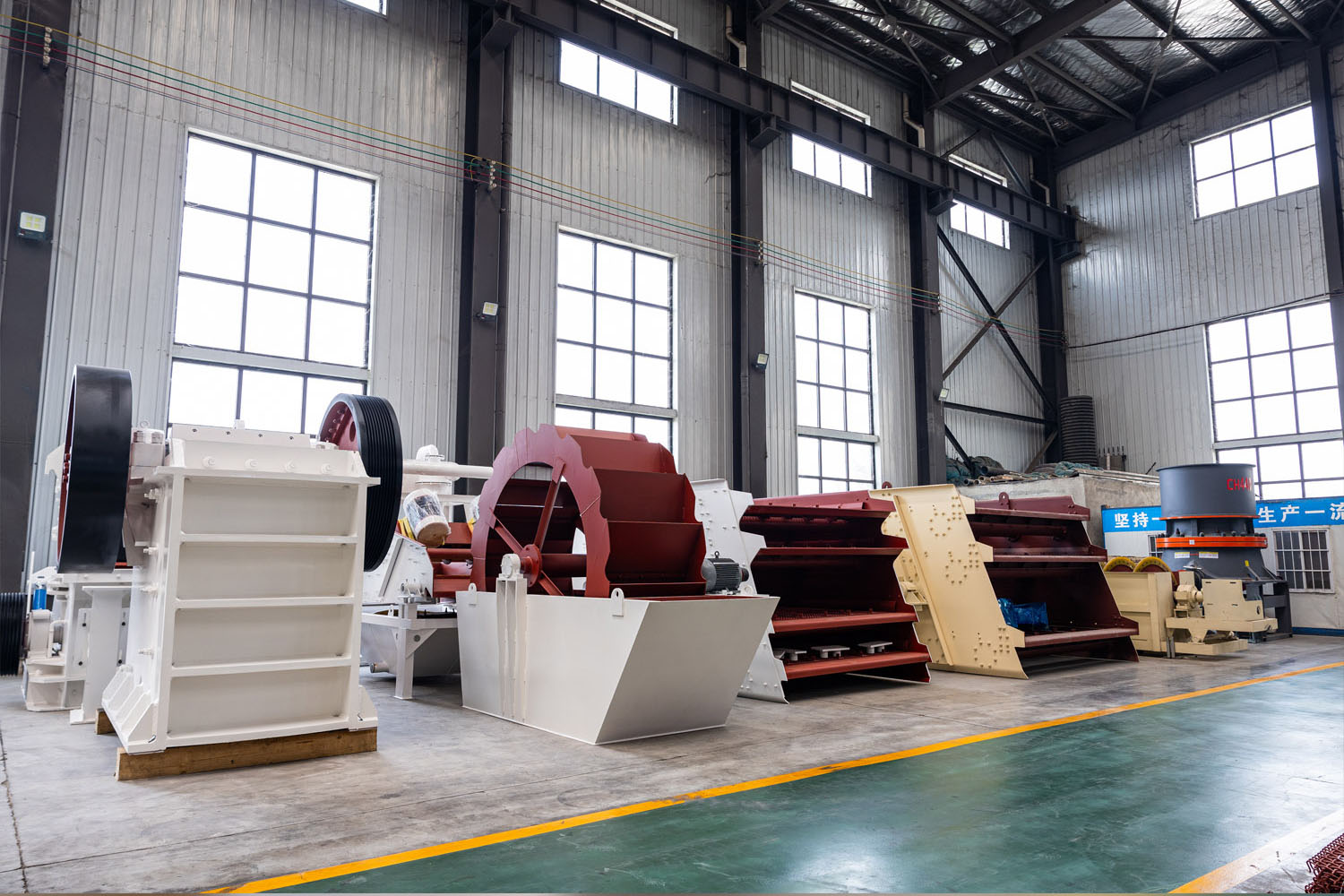
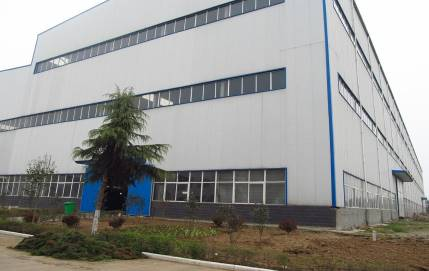
One supplier operating across these categories is Henan Centbro Machinery (STM) Equipment Co., Ltd, a mining equipment manufacturer based in the Zhengzhou National High-tech Development Zone, China. Founded in 1982, the company operates an 8,000 m² facility with more than 50 employees and a 20-engineer R and D team, and reports an annual output of 10,000 units. Its product range covers the full sequence discussed in this article, including the European Jaw Crusher, Impact crusher, Spring Cone Crusher, CS Symons Cone Crusher, Multi Cylinder Hydraulic Stone Cone Crusher, VSI Impact Sand Making Stone Crusher Machine, Hammer Crusher, Ball Mill, Three Ring Mill, Rotary Dryer, Vibrating Feeder, Sand Washing Machine and Belt Conveyor, together with complete Stone Crusher Production Line, Stone Crusher and Grinding Production Line and Crusher Stone Drying Production Line configurations. STM reports a 100% export ratio, with main markets in Russia, the Middle East, Mexico and Africa, and holds ISO9001:2008 international quality management system certification and the European Union CE certificate.
The Four Crusher Line Configurations Explained
1. Stone Crusher Production Line: From Run-of-Mine Rock to Sized Aggregate
A Stone Crusher Production Line converts run-of-mine rock into sized aggregate and, in many plants, manufactured sand. The flow is sequential and each stage has a defined job.
- Feeding. A Vibrating Feeder delivers material to the primary crusher at a controlled rate, which protects the crusher from surge loads and keeps the downstream stages evenly loaded.
- Primary crushing. A European Jaw Crusher reduces large rock to a size the following stages can accept. Jaw crushers are the most widely used primary option, consistent with the product-segment shares noted above.
- Secondary and tertiary crushing. Depending on the target gradation and rock hardness, this stage uses an Impact crusher, Spring Cone Crusher, CS Symons Cone Crusher, Multi Cylinder Hydraulic Stone Cone Crusher or Hammer Crusher. Cone crushers are commonly chosen where the rock is hard and abrasive, while impact crushers are commonly chosen where particle shape matters and the material is less abrasive.
- Sand making. Where manufactured sand belongs in the product mix, a VSI Impact Sand Making Stone Crusher Machine reshapes and further reduces the material.
- Screening, conveying and washing. Belt Conveyors link the stages, screens separate the product into market sizes, and a Sand Washing Machine removes fines where clean sand specifications apply.
What this configuration is not designed for: producing fine powder. If the finished product is measured in microns rather than millimetres, a grinding stage is required, which leads directly to the second configuration.
2. Stone Crusher and Grinding Production Line: When the Output Is Powder, Not Aggregate
A Stone Crusher and Grinding Production Line keeps the crushing and screening sequence and adds a milling stage after it. Grinding equipment such as the Ball Mill and Three Ring Mill, and where feed and target fineness require it, high-pressure stone crusher and mill arrangements, reduces crushed material to fine powder for industrial mineral and filler applications.
The dividing line between the two configurations is the finished product specification, not the rock type.
- If the customer buys by gradation, such as 0 to 5 mm, 5 to 10 mm or 10 to 20 mm aggregate and manufactured sand, the standard crushing line is the correct structure.
- If the customer buys by fineness, whiteness, moisture content or chemical consistency, as with mineral filler or powder feedstock, the grinding stage becomes the core of the plant and the crusher becomes its preparation stage.
Grinding also changes the operating profile of the whole plant. Milling consumes more energy per tonne than crushing, generates more heat and produces more airborne dust, so dust collection, sealing and heat management become design priorities rather than optional add-ons. STM reports that the heat utilization rate of its drying and grinding equipment reaches 85% to 88%, with a whole-line heat recovery rate of 40%.
3. Portable Stone Crushers: Tyre Type and Crawler Mobile Configurations
Portable stone crushers invert the normal logistics. Instead of hauling rock to a fixed plant, the plant moves to the material. Two mobility designs dominate this category.
- Tyre Type Mobile Crusher — a wheel-mounted unit that can be towed between sites and set up on a prepared surface without permanent foundations.
- Crawler Mobile Crusher — a tracked unit with its own travel capability, suited to uneven ground, quarry benches and demolition or construction recycling sites.
Both designs are built around a Mobile Stone Crusher chassis that typically carries feeder, crusher and conveyor as one integrated unit, with screening and sand-making modules added where the product mix requires them.
Where portable configurations win: short-duration contracts that move between work fronts; scattered deposits where building access roads and foundations to each pit is uneconomic; urban construction and demolition recycling where material must be processed close to the source; and projects where permits for a permanent installation are difficult or slow to obtain.
Where they do not: very high throughput and long-life quarries. A fixed line can be engineered around a specific duty with fewer compromises, and civil works are recovered over a longer production life. Buyers should also note that mobile units fall under a dedicated safety standard: ISO 21873-2:2019 specifies safety requirements and verification for mobile crushers used in rock crushing and construction recycling.
4. Crusher Stone Drying Production Line: Moisture Control Before It Becomes a Bottleneck
A Crusher Stone Drying Production Line adds thermal moisture control to the process, usually through a Rotary Dryer placed upstream of, or between, the mechanical stages. It exists because moisture, rather than hardness, is the most common cause of unstable output in crushing and grinding plants.
Wet or sticky feed creates three predictable problems: material bridges and clogs in chutes and crushing chambers; screens blind over and lose separation efficiency; and mills cake, which lowers grinding efficiency and raises power draw per tonne. STM's published operating guidance for material-related risk sets the equipment's suitable moisture range at 8% or less, and relies on pre-treatment such as dewatering screens and filter presses to bring high-humidity material into that range, supported by humidity monitoring devices on the mill and dryer that allow operating parameters to be adjusted as conditions change.
Drying also has an environmental dimension. Drying and grinding circuits generate dust and heat, so the design normally includes sealed equipment, baghouse dust collectors and spray dust suppression, together with sealing arrangements that keep rainwater out of equipment installed outdoors. Heat recovery matters commercially as well as environmentally, because returning part of the dryer's heat to the process reduces fuel or power cost per tonne of finished product. STM's whole-line heat recovery rate is reported at 40%.
Typical uses: deposits with high natural moisture; material washed during processing that must be dried before milling; and powder products whose moisture specification cannot be met by mechanical dewatering alone.
Step-by-Step: How to Choose a Configuration in Six Steps
The sequence below reflects the order in which the decisions actually constrain each other. Changing a later step normally forces an earlier one to be reopened.
- Define the feed. Rock type, maximum lump size, abrasiveness and moisture. Moisture above the suitable range, commonly set at 8% or less, generally requires dewatering or drying before crushing and grinding can run reliably. Confirm whether the deposit contains clay, and whether tramp metal is likely, because inlets are fitted with iron separators and grate screens for exactly that reason.
- Define the finished product. Gradation-based products such as aggregate and manufactured sand point to a crushing and screening line. Fineness-based products such as mineral powder and filler point to a crushing and grinding line.
- Fix the required capacity. Capacity determines stage count and equipment size. A single oversized crusher that outruns the screens does not raise plant output; the bottleneck simply moves downstream.
- Decide fixed or mobile. Long-life quarry on stable ground: a fixed line. Moving work fronts, scattered pits, recycling sites or restricted permits: tyre type or crawler mobile units.
- Check the operating environment. Ambient temperature, altitude, dust and noise constraints all shape the specification. As reference points from STM's published operating guidance, core equipment is designed to run within an ambient temperature of 45°C or below and an internal operating temperature of 120°C or below, with cone crusher oil temperature controlled between 38°C and 55°C, and noise controlled to 85 dB or less through soundproof covers and vibration damping pads.
- Confirm delivery, installation and support. Ask how the line will be commissioned and who is accountable if output does not match the specification after start-up. STM assigns professional after-sales service engineers to the project site for installation and commissioning until the customer can operate the machine.
Use Cases: Which Line Fits Which Project
- Infrastructure aggregate supply. A fixed Stone Crusher Production Line producing graded aggregate and manufactured sand for road, rail and building projects. Priority: consistent gradation and uptime.
- Mining and ore processing. Crushing followed by grinding where ore must be reduced to a fine size before the next process step. Priority: throughput and wear life on abrasive material.
- Industrial mineral and filler production. A Stone Crusher and Grinding Production Line producing fine powder. Priority: fineness consistency, dust control and energy per tonne.
- Construction and demolition recycling. Crawler or tyre type mobile units processing material close to the source. Priority: mobility and relocation without major civil works.
- High-moisture deposits and washed material. A Crusher Stone Drying Production Line with a Rotary Dryer ahead of milling. Priority: a stable feed condition so screens and mills do not clog or cake.
- Distributed small deposits. A portable stone crusher and screening unit that moves as extraction progresses, avoiding repeated foundation work at each pit.
STM's reported project experience includes work in Russia, where the company states that output exceeded customer expectations, the finished product met industry requirements, and the production process complied with national environmental green requirements. The company describes the operating characteristics of that project as high capacity, low energy consumption, simple operation and environmentally friendly performance. For a first-time buyer, the transferable lesson is not the location but the sequence: capacity, product conformity and environmental compliance were defined before the equipment list was fixed.
Comparison Table: Four Crusher Line Configurations Side by Side
| Configuration | Core function | Typical equipment in the line | Output focus | Mobility | Best fit | Main constraint |
|---|---|---|---|---|---|---|
| Stone Crusher Production Line | Reduce rock to sized aggregate and sand | Vibrating Feeder, European Jaw Crusher, Impact crusher or cone crushers, VSI Impact Sand Making Stone Crusher Machine, Belt Conveyor, Sand Washing Machine | Graded aggregate, manufactured sand | Fixed installation | Long-life quarries, aggregate plants, infrastructure supply | Does not produce fine powder; high-moisture feed needs pre-treatment |
| Stone Crusher and Grinding Production Line | Crush, then mill to fine powder | Crusher stages plus Ball Mill, Three Ring Mill and grinding-classification equipment | Fine powder, mineral filler | Fixed installation | Industrial minerals, filler and powder feedstock | Higher energy demand per tonne; greater dust and heat management load |
| Portable and mobile line | Crush and screen at the material location | Tyre Type Mobile Crusher or Crawler Mobile Crusher, Mobile Stone Crusher, integrated feeder and conveyor modules | Aggregate and sand produced on site | Mobile and relocatable | Short-term contracts, scattered pits, construction and demolition recycling | Covered by ISO 21873-2:2019 safety requirements; generally a lower throughput ceiling than a fixed plant |
| Crusher Stone Drying Production Line | Reduce feed moisture so crushing, grinding and screening run reliably | Rotary Dryer with sealed equipment, baghouse dust collectors and spray dust suppression | Moisture-controlled feed and product | Fixed installation, outdoor units sheltered from rain | High-moisture deposits, washed material, powder products with moisture specifications | Adds thermal energy demand; heat recovery determines operating cost |
FAQ: Stone Crusher Production Lines, Portable Crushers, Grinding and Drying
Is there a safety standard for portable and mobile stone crushers?
Yes. ISO 21873-2:2019 specifies safety requirements and the verification of those requirements for mobile crushers used in rock crushing and construction recycling. Buyers specifying a Tyre Type Mobile Crusher or Crawler Mobile Crusher should treat that standard as part of the specification rather than an optional extra. Dust and noise are the other two compliance areas that come up in most projects: sealed equipment with baghouse dust collectors and spray dust suppression is standard practice, and noise is controlled to 85 dB or less using soundproof covers and vibration damping pads. STM holds ISO9001:2008 international quality management system certification and the European Union CE certificate.
Can one production line crush, grind and dry at the same time?
Yes. These are combined configurations rather than separate plants. STM manufactures a Stone Crusher and Grinding Production Line that keeps the crushing and screening stages ahead of a milling stage, and a Crusher Stone Drying Production Line that introduces thermal moisture control through a Rotary Dryer. Most real projects combine two or three functions: crushing plus grinding for powder products, crushing plus drying for wet feed, or all three where a washed mineral must be dried before milling. STM reports that the heat utilization rate of its drying and grinding equipment reaches 85% to 88%, with a whole-line heat recovery rate of 40%, which is what makes the combined configuration workable on operating cost.
What drives the cost difference between a crushing line and a combined grinding line?
Stage count and control level. A Stone Crusher Production Line consists of feeding, crushing, screening and conveying, while a Stone Crusher and Grinding Production Line adds the milling stage, its classification and dust collection, and usually a higher level of automation to hold fineness consistently. The cost difference therefore sits after the crushers rather than in them. Two further factors matter over the life of the plant: energy per tonne and wear-part consumption. STM's own comparison data for its line configurations cites around 10% lower overall project investment, 8% to 18% lower unit operating cost, 15% to 20% lower wear-part replacement cost and 13% lower long-term operating cost relative to the established alternatives it benchmarks against, namely Red Star, Liming and Nile. Buyers should still test those figures against a full cost model covering capital cost, energy, wear parts, labour and downtime across the expected production life.
What should a material sample or feed specification include before a line is quoted?
Three measurable properties decide most of the configuration: moisture, impurity profile and particle size. Moisture determines whether dewatering or drying is required, since suitable feed moisture is set at 8% or less, with dewatering screens and filter presses used to bring high-humidity material into range. Impurity profile determines protection: inlets are fitted with iron separators to capture magnetic tramp metal and grate screens to intercept large hard objects, with manual removal of non-magnetic impurities ahead of them. Particle size and hardness determine the primary and secondary crusher stages. A feed specification built from those three inputs, together with the target product, is what allows STM to tailor equipment configuration and operating solutions to a specific scenario, and it is far more useful at this stage than a comparison of individual machine models.
How long does delivery and commissioning take, and what happens after start-up?
Two milestones matter more than a single number: the production and delivery cycle, and the commissioning cycle on site. STM reports a project delivery cycle around 20% shorter than its benchmark alternatives, and assigns professional after-sales service engineers to the project site for installation and commissioning until the customer can operate the machine. For planning purposes, buyers should ask for both dates in writing, meaning the ex-works date and the on-site commissioning start date, and should confirm what the supplier is accountable for if output falls short of the agreed specification after start-up. A full equipment and configuration overview is available in the STM catalog, and configuration questions can be sent directly to the contacts below.
Conclusion: Choose the Line, Then the Machine
For a buyer new to stone processing, the useful mental model is that there are four answers rather than dozens of machines. A Stone Crusher Production Line delivers sized aggregate and sand. A Stone Crusher and Grinding Production Line delivers fine powder. A Portable Stone Crusher configuration, whether tyre type or crawler, delivers the same processing where the material is. A Crusher Stone Drying Production Line makes the other three workable when the feed is wet.
The configuration decision is settled by four inputs: what comes out of the ground, what the customer will accept as finished product, where the plant will stand, and what the material's moisture and impurity profile requires. Once those are fixed, equipment selection becomes a specification exercise rather than a comparison exercise.
Henan Centbro Machinery (STM) Equipment Co., Ltd manufactures all four configurations from its Zhengzhou facility and exports to Russia, the Middle East, Mexico, Africa and other overseas regions. STM states that, compared with Red Star, Liming and Nile, its products offer distinct advantages in overall performance, one-stop EPC solutions and energy-saving, environmentally protective design.
Planning a crusher production line?
Download the STM catalog for the full equipment and configuration overview, or send your feed material, target product and site conditions for a configuration recommendation.
Download the STM crusher catalog (PDF)
Website: www.centbrocrusher.com
Email: Kevin@centbro.com | Tel and WhatsApp: +86 187-3712-0960
Address: High-tech Development Zone, Zhengzhou City, Henan, China
Have Questions or Need More Details?
Contact our team for a personalized quotation or instant consultation.
Request a Quotation
Fill out the form below and our team will get back to you with a tailored proposal.
WhatsApp Direct Chat
Prefer to chat in real-time? Message us on WhatsApp for instant assistance & quick answers.
- Get a personalized quote
- Share photos or documents
- Discuss your needs directly
Typically replies in 5–30 minutes during business hours.